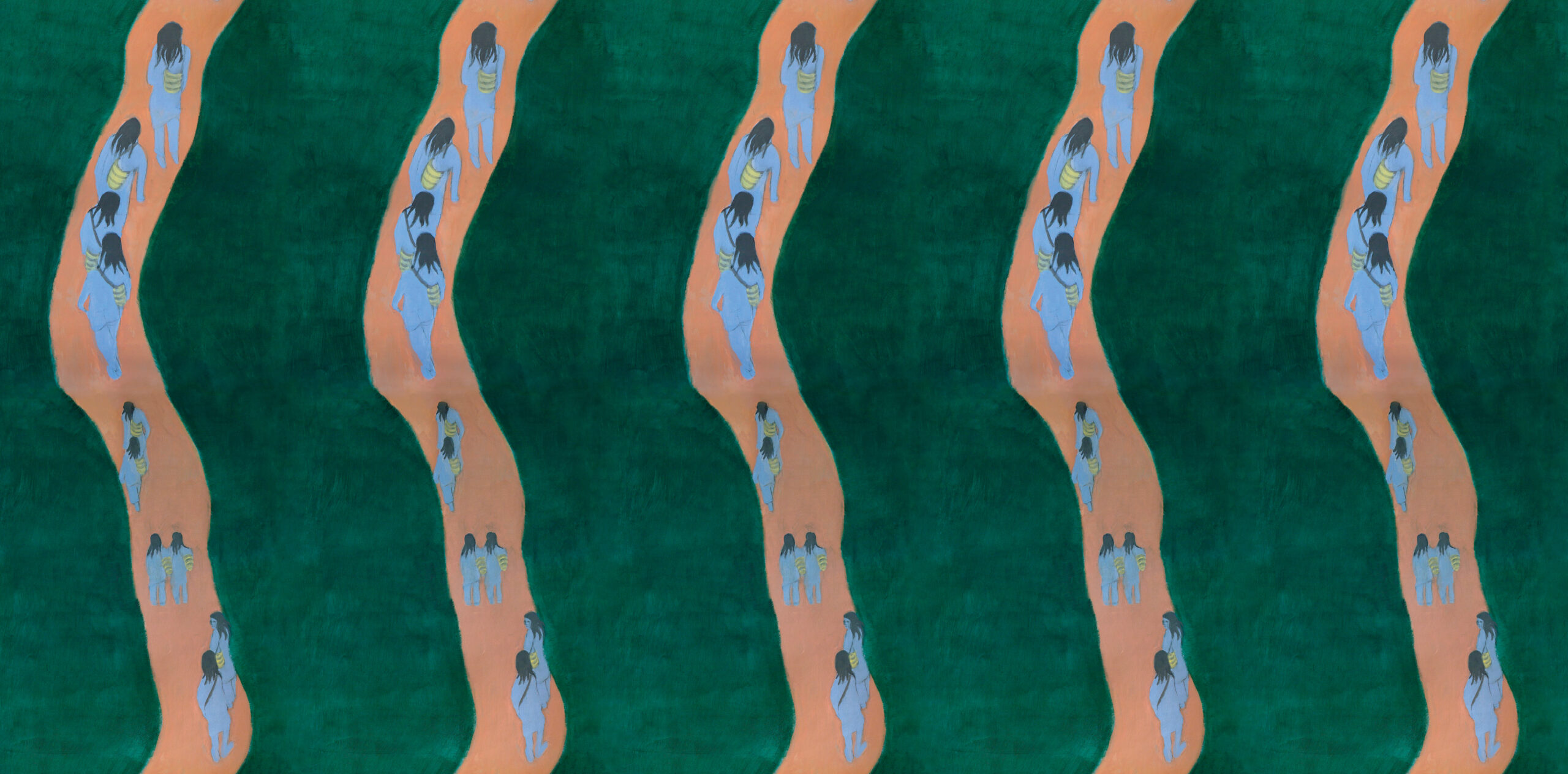
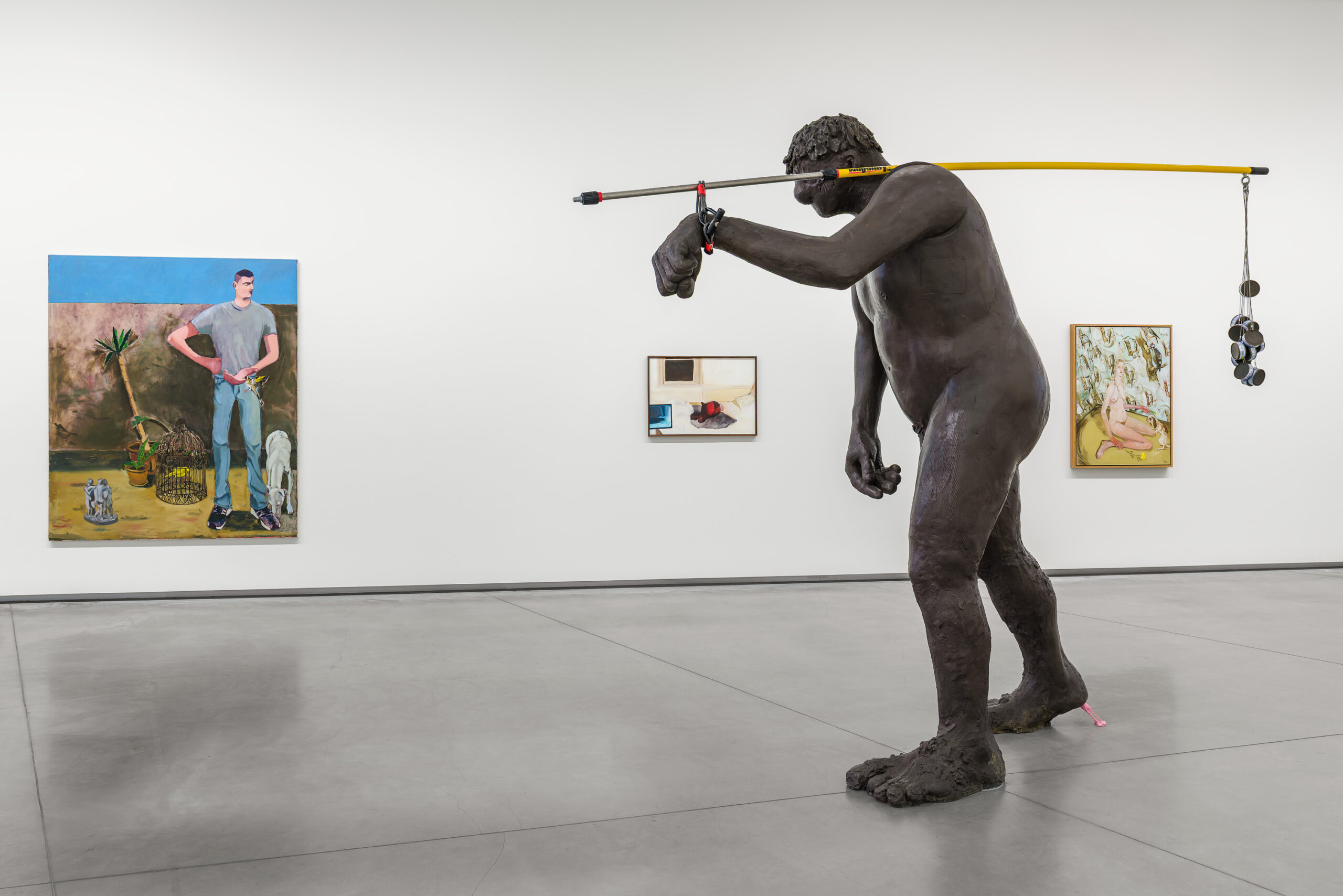
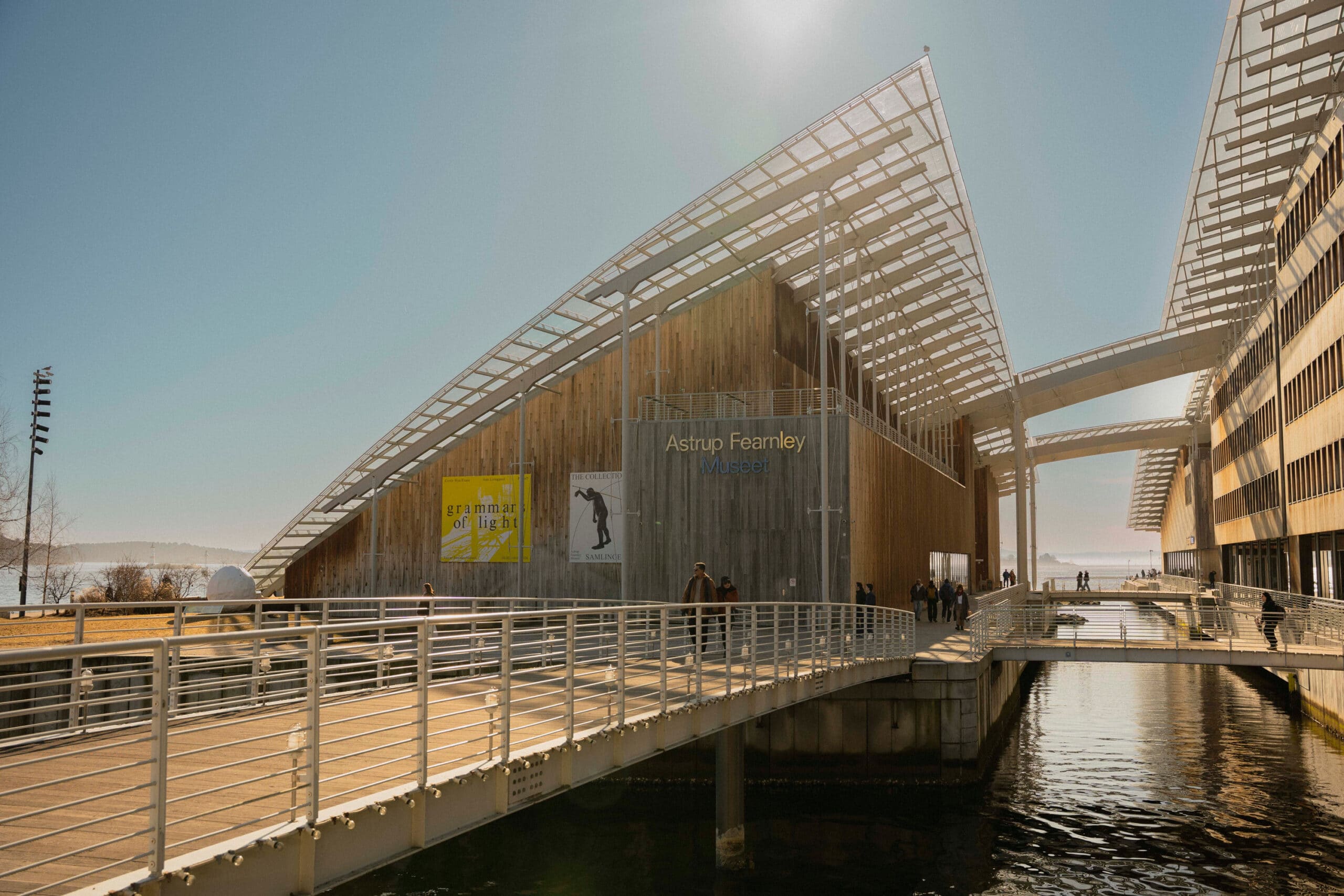
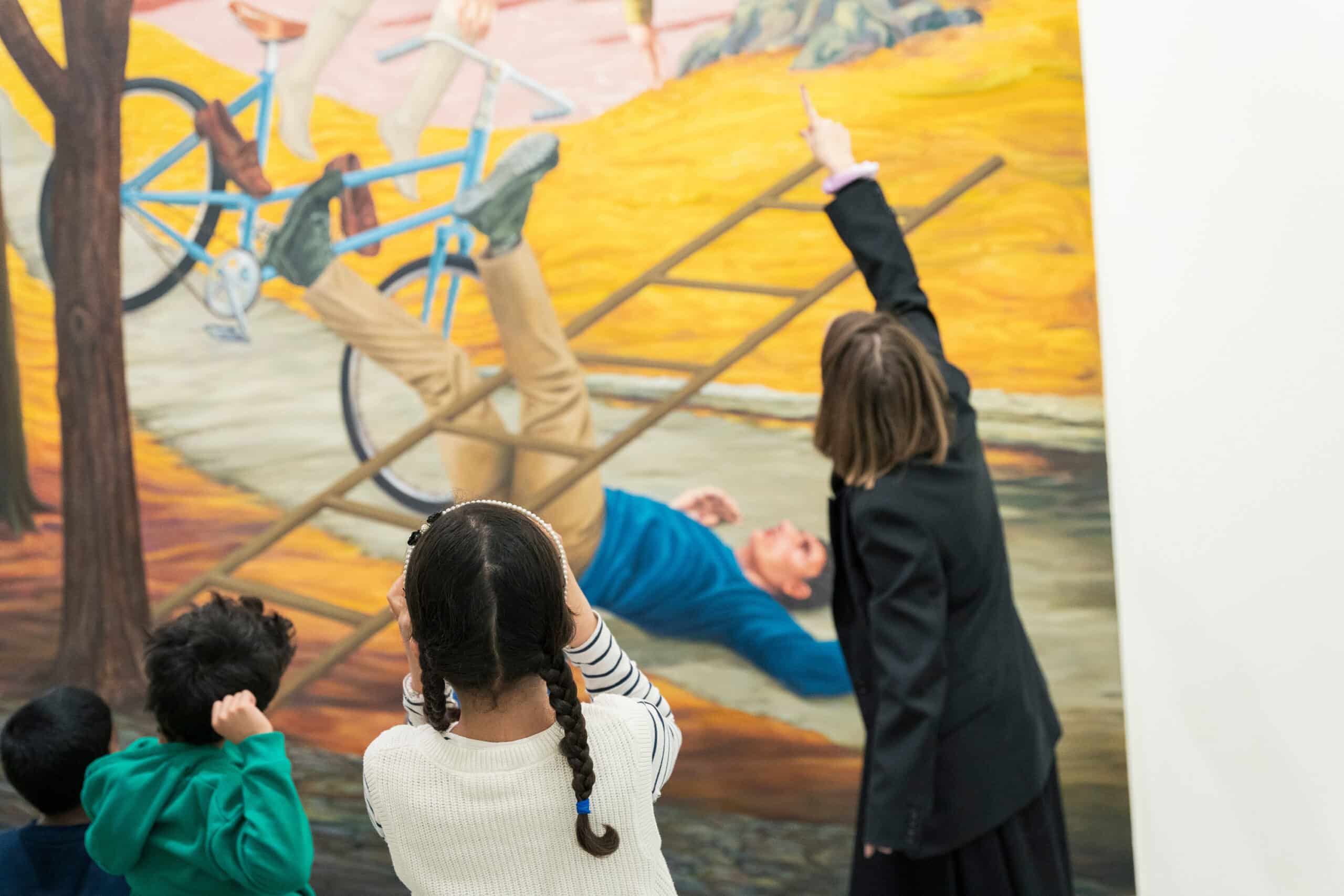
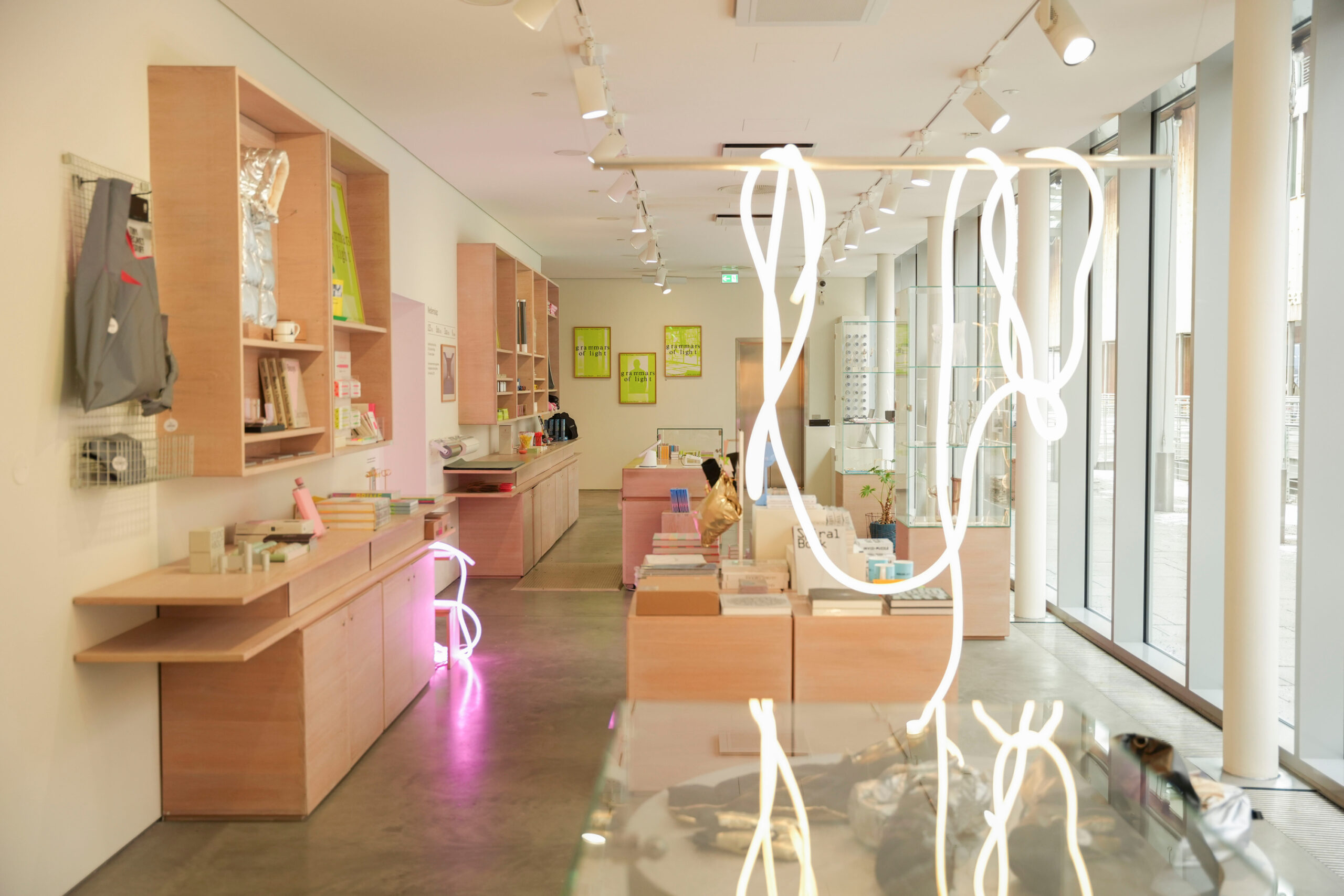
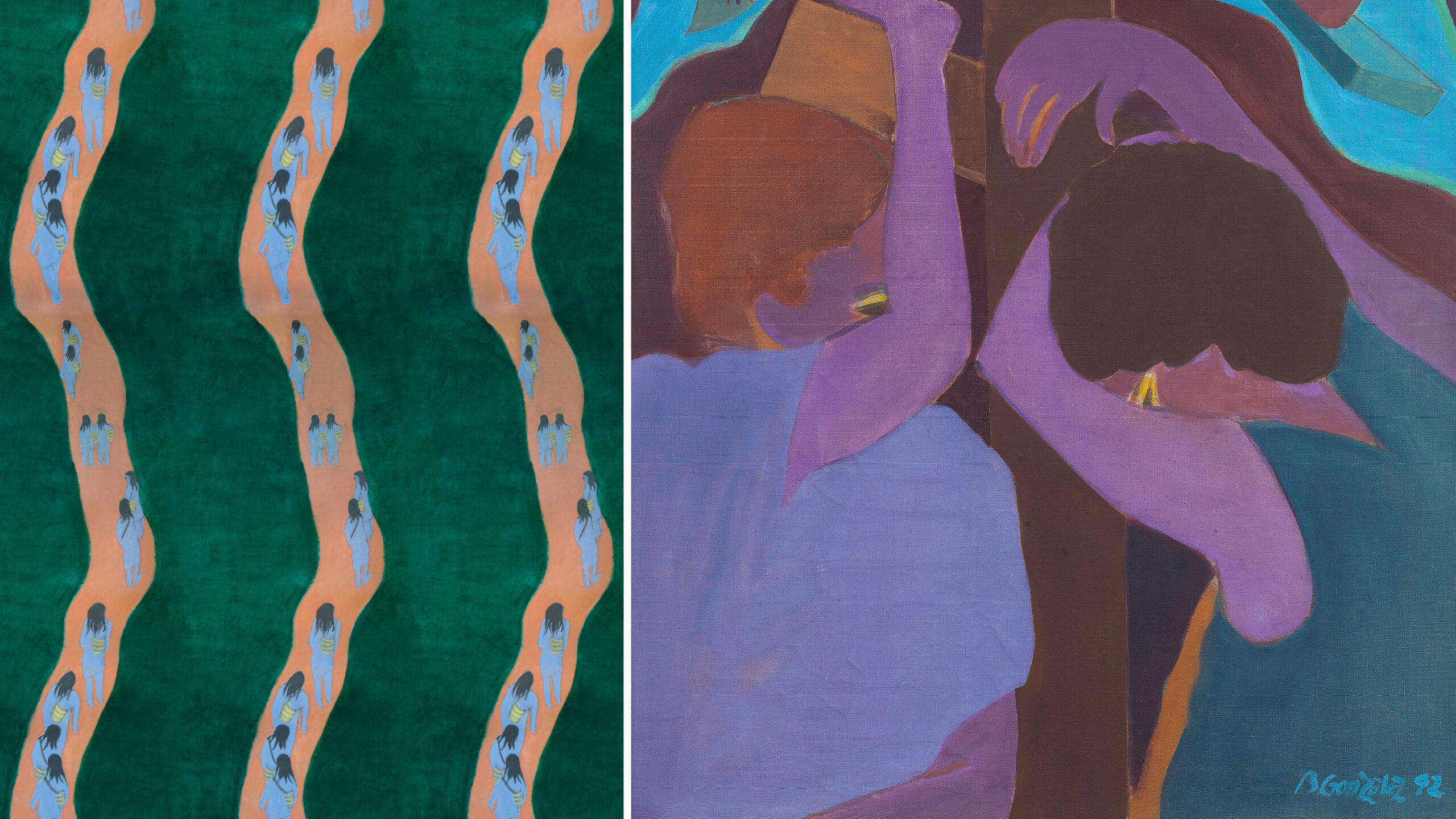
Beatriz González Åpner 12. juni Mens vi monterer den kommende utstillingen med Beatriz González holder Astrup Fearnley-samlingen åpent med redusert inngangspris. Utstillinger Astrup Fearnley-samlingen 02. jan. 2026 – 30. des. 2026 En utstilling med nye verk, anskaffet i løpet av de fem siste årene, kjente klassikere og ikoniske verk fra Astrup Fearnley-samlingen Bli medlem og bli med på utstillingsåpning og sommerfest! Vi markerer åpningen av sommerens store utstilling torsdag 11. juni! Ønsker du å delta? Bli medlem og bli med! Besøk oss Billetter og åpningstider Omvisning for skoleklasser Skoleklasser er hjertelig velkommen til inspirerende møter med samtidskunst i våre utstillinger. Besøk oss Astrup Fearnley Shop Velkommen til vår museumsbutikk! Se vår kalender Hva skjer Utstillingsåpning og sommerfest | Beatriz González 11 jun, 18:00 — 23:00 Vi markerer åpningen av sommerens store utstilling med Beatriz González med en feiring på museet, i skulpturparken og på stranden Hva skjer Rasmusklubben | Grafisk trykk og sterke farger lør, 11:00 — 16:30 Inspirert av den aktuelle utstillingen med Beatriz González utforsker vi hvordan kunstnere kan endre et bilde ved å forenkle det. Hva skjer Kuratoromvisning | For medlemmer 23 jun, 17:30 — 18:30 Velkommen til kuratoromvisning med Solveig Øvstebø i utstillingen Beatriz González Favoritter fra nettbutikken: Gå til nettbutikken Nettbutikk Plakat Leonard Rickhard – Tenksom modellflybygger kr 250 Nettbutikk Memobottle A6 kr 480 Nettbutikk (CON)TEMPORARY Caps – Sort kr 490